Double tenth Taiwanese Festival in Chinatown

There’s nothing quite like attending a festival celebrating the beginning of a new era in China, the founding of the Republic of China, while in the heart of the largest Chinatown in the world. Yokohama’s Chinatown is deserving of its own article, with its plethora of great restaurants,  snacks, vendors and museums. The double tenth or ten ten festival dates back to the 1910s and the main celebratory affairs here were the lion dances and their explosive accompaniments.

There were at least four teams of lion dancers, who would dance under the lion costumes through small shops and crowded restaurants before emerging outside with some encouragement from drummers and loud crowds. The dance culminates at each store with the dancers hopping on each other’s shoulders during a “cai quin” and grabbing ‘green leaves’ (here the leaves were fortunes, cash envelopes or crisp bills from the business proprietors from what I could tell) held from the second or third story windows to bring luck to the business. The money in the envelope is a reward for the lion dancers. The lions seemed to leave behind symbols at each shop made out of food, but I wasn’t able to read the characters.


Of course, my friend and I had to get some pork buns while in Chinatown. When I first came to Japan these were my daily breakfast more days than not. Due to short funds, our main meal was at a cheap 24-hour ramen dive in motomachi, but even a three dollar meal is pretty filling if you know what to order. I will definitely need to return to Chinatown soon and experience a proper Chinese tabehodai with some friends.

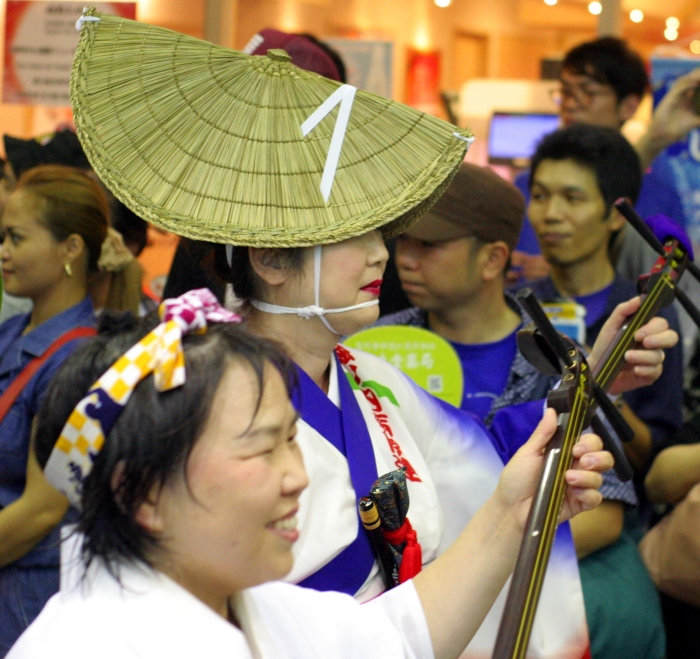
Koenji’s awa Odori Festival

The awa odori matsuri is part of the Obon (including bon odoris) festival season which celebrates the spirits of the dead (similar to Halloween in the west)  and dates back to the twelfth century and is famed in the Tokushima prefecture, where the biggest awa odori festivals are held. Koenji has its own spectacular take on the festival, with over a hundred groups of dancers and musicians playing the lute, drums (taiko), flute (shinobue), and cymbals or the kane bell while dancing in a parade. The music of the drums is epic and you feel it like standing next to the speaker at a wompy dub show [recording]. It’s pretty hard to resist the urge to join in the dance yourself! The food consists of typical festival fare, with most of it sold by locals or stalls operating from restaurants or conbinis.

koenjiawaodori7.JPG


Each group does their own dance in various styles, including the ‘dance of fools’ which involves some graceful handwaving and big smiles all around. The dance originates from a large 16th century castle opening where everyone drank copious amounts of sake and started staggering about while friends joined in with instruments. I had a bit of sake myself as the festival wound down, joining a few new friends for gyooza (fried dumplings) and a drink or two. Koenji is a vibrant and friendly part of Tokyo that I would recommend to any nightlife lover. There is a multitude of izekaya and restaurants underneath and around the train tracks with cheap drinks and friendly staff. The district also has a lot of clothing shops, new and used, for any fashion lovers out there.

Ushioda Festival

Full gallery here:

Usioda Festival


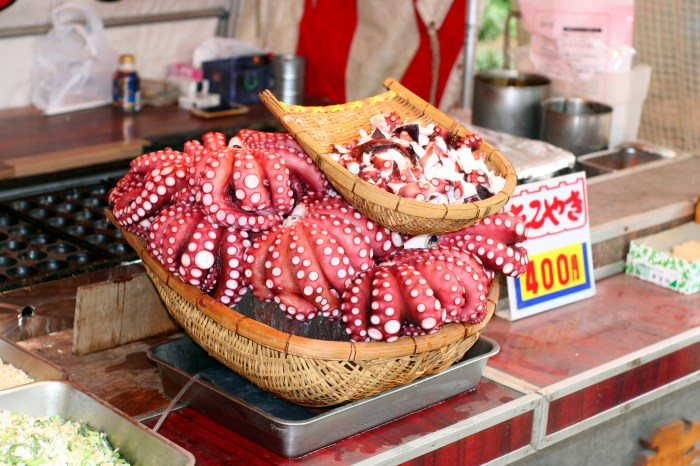
Just a few short miles from my house lies a small shrine by the name of Usioda, and they know how to throw a festival! There were dozens of food vendors selling everything from takoyaki to sour plum candy with everything in between. I had the delightful company of two wonderful Japanese tour guides who made sure that I did not go hungry. Ayane in particular was undefeatable in rock-paper-scissors, winning more than one free entrée.

octopus.JPG

Aside from the magnificent display of food, there were the traditional festival games of paper lottery, cork air guns, and ring tosses, as well as my personal favorite, scoop the turtle (see gallery). The only game where you get to keep the turtles you catch.

The dashi (float) procession was really something to see though. There were quite a few different dashi floating through the festival with some lively men and women hoisting them up and down. The main event is the cover photo for this page, where the omikoshi is hoisted up and down and spun around in front of the shrine. These dashi weigh a lot, so this is no minor feat. This is immediately proceeded by those carrying the float to charge down through a crowd onto the main roads carrying the float. It was an amazing experience.


A walk in the park… and Tokyo

Tokyo and Koenji June

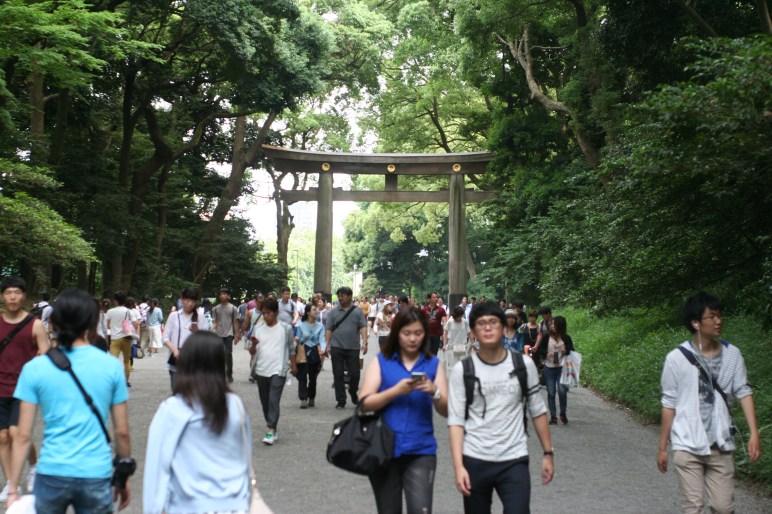
Last Saturday I woke up at the crack of noon and headed to Tokyo to see the sights for a bit. I stopped at Harajuku first and spent a few hours wandering through Meiji shrine and Shinjuku Goen. The scale of these parks is incredible when you consider the city that surrounds them. Walking around Meiji I felt transported back to the old forests of Virginia when I was a kid. I’m not sure if it is intentional or not, but Japan has spaces of near silence even in the busiest of places. It could just be that I have learned to tune out the hustle and bustle at times, but whether in my hometown of Tsurumi or the wild city of Tokyo, a place where you can take a moment and breathe is never far off.

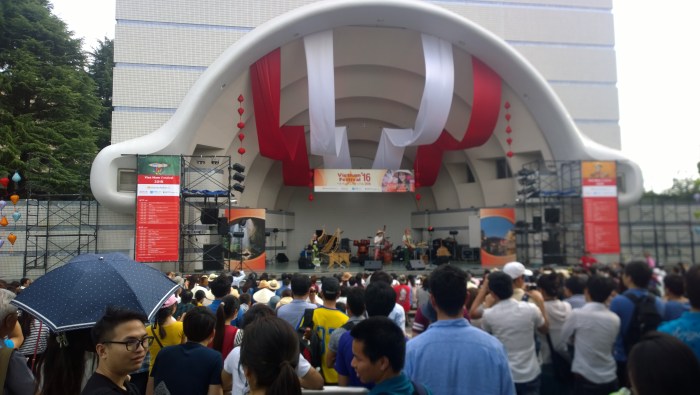
Before meeting up with a friend I stumbled into a lively Vietnamese festival near Yoyogi. Naturally I couldn’t resist a bit of Bahn Mi. There were several dance groups and musicians performing at the festival as well. Though I didn’t stay long I managed to get some decent footage of a band featuring a t’rung, which is a sort of xylophone.

WP_20160611_16_16_57_Pro__highres

Leaving the festival I met up with a friend in Koenji, which from what I could tell is a used clothing mecca. There were tons of off the wall shops and cafes dotting the area and it was a great place to just walk around and relax. Clothing I might add, is quite expensive in Japan. A used shirt often runs over $20 for a tee for example. Don’t get me started on buying/finding shoes in a U.S. size 12.

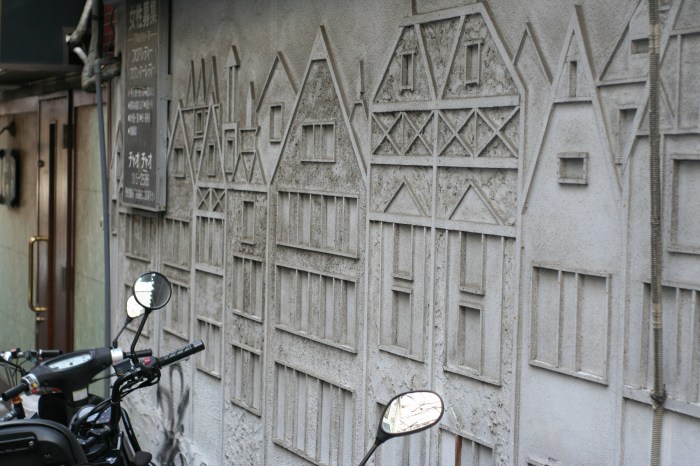
IMG_4481.JPG

We moved onto Shibuya afterwards and met up with the rest of the crew to go to a Japanese nightclub. Unfortunately, the club had shut down and the other clubs in the area closed at midnight for unfathomable reasons. The night wasn’t a loss though, as exploring the Japanese red-light district is a pretty great adventure unto itself. There is certainly something for everyone there who is willing to pay for it. Seedy backalleys and cheap curry later we all headed home. Expect more about Tokyo soon!