Koenji’s awa Odori Festival

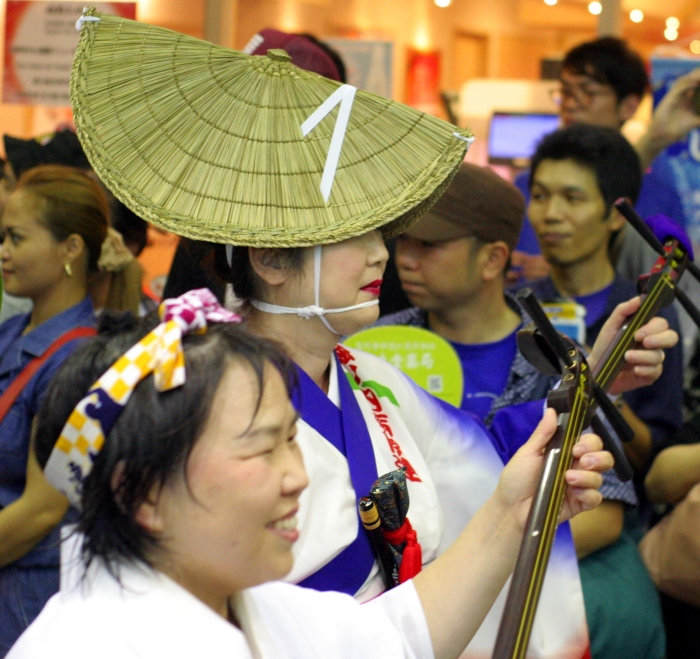
The awa odori matsuri is part of the Obon (including bon odoris) festival season which celebrates the spirits of the dead (similar to Halloween in the west)  and dates back to the twelfth century and is famed in the Tokushima prefecture, where the biggest awa odori festivals are held. Koenji has its own spectacular take on the festival, with over a hundred groups of dancers and musicians playing the lute, drums (taiko), flute (shinobue), and cymbals or the kane bell while dancing in a parade. The music of the drums is epic and you feel it like standing next to the speaker at a wompy dub show [recording]. It’s pretty hard to resist the urge to join in the dance yourself! The food consists of typical festival fare, with most of it sold by locals or stalls operating from restaurants or conbinis.

koenjiawaodori7.JPG


Each group does their own dance in various styles, including the ‘dance of fools’ which involves some graceful handwaving and big smiles all around. The dance originates from a large 16th century castle opening where everyone drank copious amounts of sake and started staggering about while friends joined in with instruments. I had a bit of sake myself as the festival wound down, joining a few new friends for gyooza (fried dumplings) and a drink or two. Koenji is a vibrant and friendly part of Tokyo that I would recommend to any nightlife lover. There is a multitude of izekaya and restaurants underneath and around the train tracks with cheap drinks and friendly staff. The district also has a lot of clothing shops, new and used, for any fashion lovers out there.

Fuji-san and the Subarashi Trail

‘You are wise to climb Mt. Fuji. You are a fool to do it twice’ ~Japanese Proverb
mtfujitori.jpg

Climbing Mt. Fuji is the dream of many around the world. The mountain is featured in countless drawings, ads, and photos of and in Japan, and I am hard pressed to think of a better known Japanese icon. I even own a pair of socks featuring the mountain. I have wanted to climb Fuji since I was a teenager, and I almost missed the climbing season this year. You can climb the mountain outside of the season, but the dangers are significant and you need the proper gear, which I don’t have in Japan. People have been known to have been literally blown off of the mountain. Even climbing in the ‘season’ the mountain is not a day hike. You gain a serious amount of elevation and are above treeline for some time before you reach the summit.


I chose to climb the subarashi trail instead of the more popular yoshida trail for a few reasons: the principal being that you avoid the crowds, with the subarashi trail having less than 20% of the traffic of the yoshida trail. The trails meet up at the old 8th station, and the trail instantly went from a solo hike with a few friends every few hundred meters to a line of people shuffling up the remainder of the mountain. The subarashi trail also boasts the highest treeline of the four Fuji trails and you can see the sunrise from the trail if you didn’t make it to the summit by sunrise for whatever reason.

Now, this trail is less crowded for a few reasons though. The 5th station, where you start, has very few services, basically a restaurant, gift shop, pay toilet, and a conbini of sorts. The restaurant does kindly give you a small cup of hot mushroom soup before and after your descent, and I gratefully received mine. The yoshida trails fifth station is a small town on the other hand, with restaurants and even onsen… and lockers. I was counting on using one before I set up the trail, and so set off with a heavier load than I wanted to. The subarashi trail also starts at 2000m versus the 2300m starting point of the yoshida trail, although they both end at the 3,776m (12,388ft) summit. This extra distance was actually a small selling point to me though, as I would get to see more of the mountain (note: since I climbed through the night, this didn’t really matter).

The terrain of the trail consists of volcanic dirt up through treeline, which gives way to sand and stone as you ascend. Between the new 6th and new 7th stations, the trail is really sandy, and the going is tough, but this soon gives way to rocky terrain up through the summit. After merging with the yoshida trail at the old 8th station, the trail is quite well worn and easily traversed as it winds its way up the mountain. The subarashi trail is quite steep throughout though, so don’t go expecting a casual stroll. When it’s all said and done, the subarashi trail takes you up about 6000 vertical feet. I did this climb from 7:30 pm to 4:00 AM, stopping approximately half an hour at each go (station) to avoid altitude sickness and as my pace was crazy fast (about double the suggested pace) until I reached the 7th station three hours earlier than I expected.
fujinight1.JPG

The actual climb was breathtaking. I arrived at the fifth station around 6:45 and spent some time picking out a hiking staff to be branded along the trails. I had a brief snack and enjoyed the complementary mushroom soup from the station staff, rested for thirty minutes, and set off. There is a suggested fee of 1000 en you pay before or after you climb the mountain. This is technically optional, but you’re enjoying a beautiful natural resource, and $10 plus a lot of sweat really is a good deal for the experience. I hiked through the forest for a few hours at a good pace, seeing absolutely no one until I reached the first station (the old fifth). I sat down with a nice Japanese man and exchanged some gifts of beef jerky and sports candy (this stuff is awesome! See supplies section). We chatted in my poor Japanese and his poor English with the aid of google translate for a half hour and went our separate ways, although we would catch up for a few minutes at each station until I outpaced him. I met some French students here as well. It was nice seeing the same people at each station as you progressed up the trail.

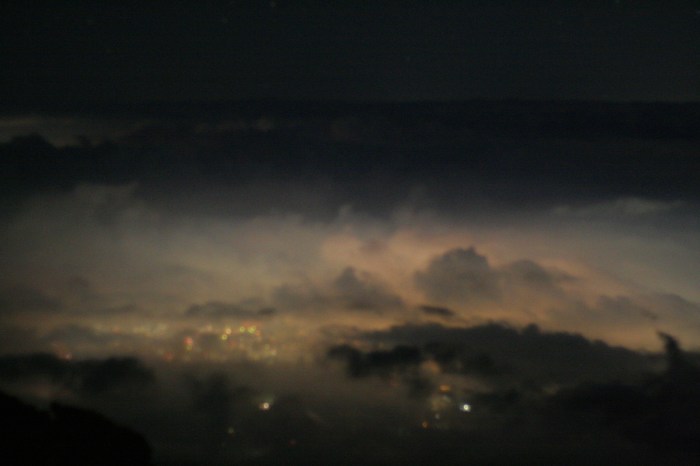
I continued to make my way up the mountain at a fast pace, taking breaks to stargaze and appreciate the awesome fiery glow of each station up the mountain. These seemed an impossible distance away on the ascent, but were realistically only a few hundred vertical meters apart. I stopped at the seventh station for some food, and was given a salmon onigiri by an overstocked fellow climber. This was good, as I had severely underestimated how much I would eat on this climb. All in all, I ate four hardboiled eggs, a package of beef jerky, the onigiri, a bowl of udon and beef, and a box of less than appetizing calorie mate, a high energy food replacement. Pro-tip, don’t get the cheese flavored black box. I realized that I was severely ahead of schedule and would hit the summit around midnight if I kept my current pace, so took a two hour nap/rest on some comfortable rocks before continuing. I shortly hit the old eighth station and merged onto the yoshida trial, and my pace was cut in 1/4. Which was good, as I was still due to hit the summit hours early.

Most climbers climb Fuji in two days, with a rest or stay at one of the many mountain lodges on the mountain. This ranges from 3500 to 8000 en depending on where you stay and if you want meals. I decided to save the money by ‘bullet climbing’ the mountain and this was a good choice for me, but less experienced hikers and climbers should opt for the stay.

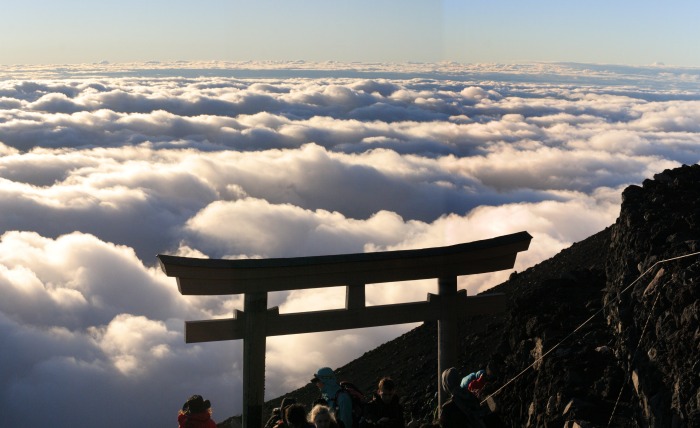
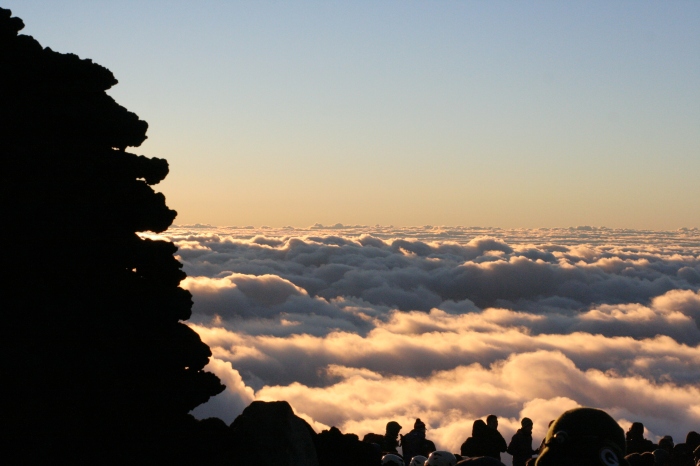
I arrived at the summit at four am. I chatted with a few Americans and Japanese while waiting for the sunrise to start, overlooking the unkai (sea of clouds) on wooden benches. The moments leading up to the sunrise were perhaps the most magical part of Fuji. Watching the gorgeous starscape be slowly eked away by a rising rainbow of blue and gold with hundreds of other people who had just made the climb you had was an astounding experience. The sunrise itself happened so fast you could almost have missed it, if not for the collective gasp from the audience of climbers of all ages. It is clear where the inspiration for the Japanese rising sun flag came from here, as sunbeams pierces through the sea of clouds and the great orange sun showed itself. I’m still thinking about the sunrise today.

I didn’t linger long on the summit, just long enough to get a few hundred photos and a can of boiling lava to represent the volcano. Ok, it was hot chocolate, but I could barely hold it with my gloves on! I went the whole way down with a new friend, a student studying chemistry in Tokyo who ran after me to catch up. The route down the mountain was a never ending trail of sand at an impossible angle. I looked off the mountain once at the clouds and was puzzled at the strange angle they were cutting into the sky, until I realized that I was standing at a steep angle to the slope and the hill was a far more impressive incline than I had realized. My new friend encouraged me to take part of the hill at a ‘subarashi run’ which is letting gravity take you down the sandy gravel at a deadly rate until you get too scared and try to stop. Good times.

I have no idea the last time that I have been so exhausted. I slept on the bus back to Gotemba, I slept on the three trains home, and when I arrived at my apartment, I slept for seventeen hours until the following Sunday. The exhaustion is absolutely worth the experience.

And I just might be a fool, because I want to climb the mountain again.
fuji6.JPG

My trip route:

Yokohama station to Gotemba station by train 1500 en

Round trip bus to the 5th station 2000 en

Climbing Fuji, priceless (ok 1000 en)

Suggested supplies:

Wicking underwear top and bottom

Water, 2L +

Sports candy (salt suckers basically, get them)

Food (I would recommend 2000 calories in high energy food)

Winter jacket

Rain gear

Winter hat

Sunglasses

Hiking stick (buy a staff, it’s a great souvenier)

Quality boots with gaiters

Wool socks, 3 pair

100 en coins for pay toilets, etc. Bring 10000 en to be safe (not all in 100 en coins…)


I found this link to be very helpful if you’re considering the climb:

http://www.garyjwolff.com/climbing-mt-fuji.html


Kiyumizudera

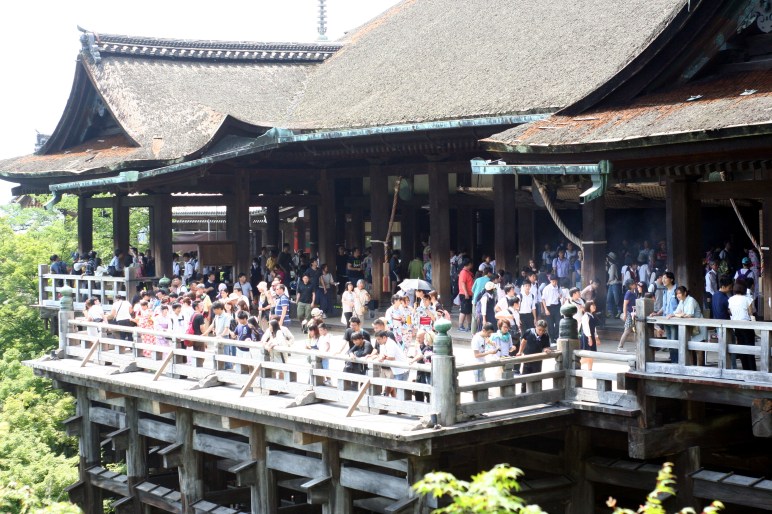
“To jump off the stage at mizudera” is a famous saying in Japan, meaning something akin to taking a risk without knowing the outcome can be worthwhile. It’s said that if you leap off the balcony of the stage here (and survive), any wish will be granted. Given that the fall is almost 200 feet, that seems a fair trade. Nowadays everyone gets fussy if you try to leap off the stage, so I can’t really recommend that, but the entire grounds are quite amazing.


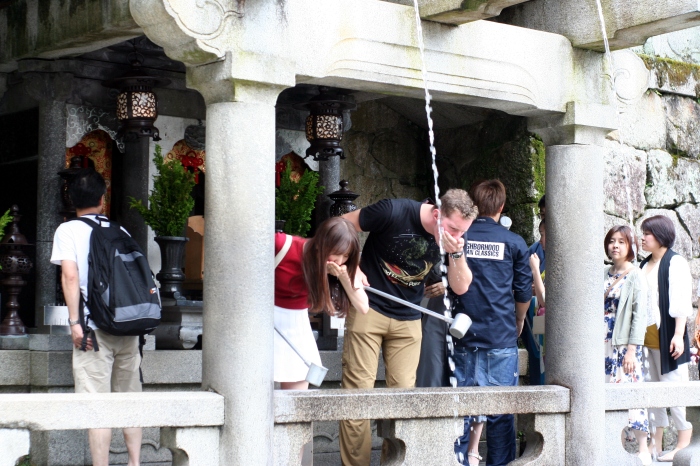
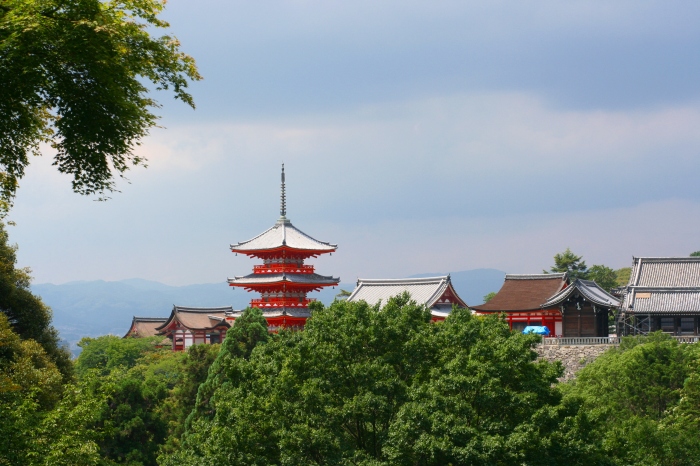
The temple was built in the 1600s and the main structure (title image) was built without using a single nail. The trek up to the temple is a decent walk, but since it sits high on a hill, you’re rewarded with some pretty spectacular views. I lucked out and we arrived as the day was clearing up; you could see most of Kyoto. The temple’s name comes from a waterfall that feeds its large fountain, Otawa-no-taki, roughly translated, kiyumizu is pure/clean water. The fountain itself is said to grant longevity, which is helpful if you intend on jumping off the stage. The fountain also has wish-granting abilities, if you want to forgo the stage dive.

kiyumizudera17.JPG


Jishu-jinja Shrine

One of the coolest parts of the temple complex is the small shrine dedicated to love (or lover’s vengeance anyway). We almost skipped the little shrine of Jishu-jinja, which would be a huge mistake. Though tiny, the shrine is jam packed with lovely features. Dedicated to Okuninushi, a sort of match-making deity. There is an old tree where women would hammer dolls to curse their enemies in the middle of the night by the power or Okage-myoojin.

In the main path of the shrine are two large stones, about twenty feet apart. These are the love stones. If you can walk from one to the other with your eyes shut you will be lucky in love. You can have others help you though it means you’ll need help with love later in life.

kiyumizudera13.JPG


If I had to rate the must see temples in Kyoto, this would definitely make the top two. If you’re going to Kyoto, make sure you set aside a few hours for Kiyumizudera. Just walking the grounds will take the better park of an hour, and that isn’t including Jishu-jinja or the twenty-plus minute wait for Otawa-no-taki (which is worth it by the way). Definitely take the time to see one of the greatest man-made structures in Japan.


Ginkakuji, the Silver Pavilion

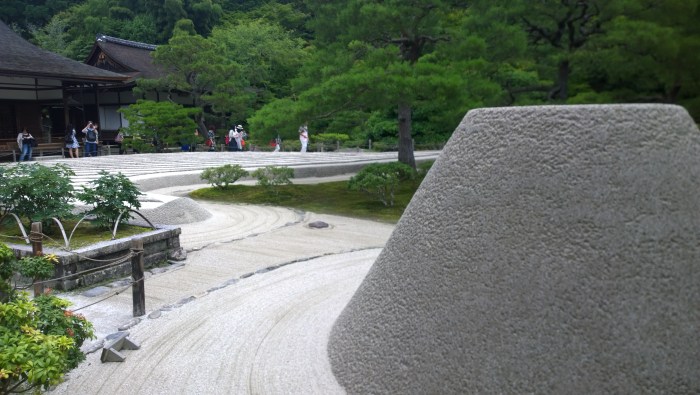
The silver pavilion is silver in name only. The temple was modeled after Kinkakuji, the Golden Pavilion, and is a reflection of the top two stories. This was dreamt up by the grandson of the designer of Kinkakuji, Ashikaga Yoshimasa. Although the plan was to cover the pavilion in silver foil, this never came to fruition before the death of the owner and the temple has remained in this condition since. Ginkakuji’s structure is actually older than the pavilion it was modeled after, since Kinkakuji was burned down and rebuilt around the 1950’s.

ginkakuji2.JPG

However, I knew little of the temple’s history before arriving there, and had actually walked through the entire grounds and was about to exit before I realized that the silver pavilion was, in fact, the rather plain structure at the beginning of the walk. I was expecting a sight as impressive as Kinkakuji. That isn’t to say the temple isn’t worth visiting, just temper your expectations appropriately. The grounds are lush and pleasant to walk through, and the crowds are far less dense than at Kinkakuji.


WP_20160626_11_56_56_Pro__highres.jpg

Toji Temple

The crowning feature of Toji Temple is its five story pagoda. We had almost skipped this temple due to time constraints but I’m glad we didn’t. Aside from the impressive pagoda itself and the beautiful treasure houses, I found a great sense of peace at Toji.

Full album here

The pagoda is an impressive piece of architecture rebuilt in the Edo period and the temple itself was established around 800 A.D.; the only surviving Buddhist temple in Kyoto from that time. Perhaps more impressive than the pagoda are the treasure houses though. Three buildings house incredible sculptures of buddhas standing over ten feet high, and dozens of other sculptures of spirits and deities made from wood, stone or bronze (gold?). The lighting in the buildings really captures the sculptures perfectly though, simulating candlelight quite well. They must be another sight entirely when the walls were opened. Unfortunately, like many of the most beautiful sights in Kyoto, no photographs are allowed. I do encourage a visit to Toji to see the pagoda and the beautiful sculptures within the temple though. You can walk to Toji from Kyoto station in ~20 minutes, and it is absolutely worth your time.

It is a very peaceful place.

A few steps away from the pagoda two women were giving away plum tea with flecks of gold in it. As we sat sipping on tea looking at the pagoda I realized that my life has been pretty damned amazing so far, and I did not need to rush into anything. I had been struggling with the feeling of life passing by faster and faster while I felt like I was standing still. We can get so caught up with running sometimes, we forget where we were going in the first place. Toji reminded me that it’s a good thing to sit down and reflect on occasion, or you might miss what you’ve passed by. My personal growth, both at my last job in the U.S. and in the few months that I have been in Japan has been astounding. Every six months we learn so many things and grow in so many ways, but we can get so bogged down in the stresses and daily minutiae that this can be lost on us. If you haven’t recently, I encourage you to find a good bench somewhere, pour yourself a good cup of whatever, and reflect on how much you have experienced and grown in the past few months of your life. It will be worth the time.

Kinkakuji, the Golden Pavilion

Possibly the most famous shrine in Kyoto, the Golden Pavilion is an opulent and beautiful sight. The top two floors of the building are coated in a thick layer of gold that makes it shine even on an overcast day. The official name for the temple is Rokuon-ji, or the Deer Garden Temple, although I saw no signs of deer there, but it is generally referred to as the Temple of the Golden Pavilion (Kinkakuji). The gold symbolizes purity and is meant to ward off negative thoughts of death. The temple was burned down in the ’50s by a young monk, so the current temple is technically a recreation of the original. The modern gold leaf is 5x thicker than the original coat as well. Actually, when the temple was first built as a residence in the 14th century, only the ceiling of the top floor was covered in gold. Each floor of the pavilion was designed in a unique architectural style. The bottom floor, the ‘chamber of dharma waters’ is open to the surrounding water and gardens with half walls, allowing one to enjoy nature unspoiled, while the second floor ‘the tower of sound waves’ was designed in the same style as samurai houses. The third floor was designed according to zen principles and is called the ‘cupola of the ultimate.’

Full gallery here.

Unfortunately, since we had traveled to Kyoto in the middle of the rainy season, there was a steady soaking rain the entire time we explored the temple. This didn’t stop the crowds though, the entire grounds were quite crowded all through the trails around the temple and gardens. I know I’ve said this before, but this is a site you must visit if you go to Kyoto even for a day. There were some pictures of the temple in the snow at the giftshop and it is really stunning then. The gold exterior is magnificent surrounded by white snow. Braving the mobs of people and the rain allowed for some stunning views of the temple across the water. Photos don’t really do it justice. The walk through the gardens after you pass the temple was really relaxing as well. As was the green tea served towards the end of the tour (for a nominal fee). Sitting and drinking tea out of the rain with a soothing natural view in front of you is a fine way to melt your stresses away. Especially with some fine company.


Nijojo Castle

This exhibit is a replica…. the most common sign seen in Nijojo Castle. Almost every interior painting, screen, and mural was only a replica of the original inside the Shogunate era castle. That isn’t to say the castle was boring, it just would have been nice to be able to see some of the original artwork that decorated the walls and ceilings. Unfortunately no photos or sketches were allowed inside the castle, so all the photos (gallery below) are of the beautiful grounds.

Gallery

Each step you took in the castle was accompanied by creaks and groans owing to the Nightingale floors… a very old school security system to prevent assassins from sneaking up in the dark. The exterior walls are all movable so that one could regulate air flow by shifting them open. The carvings inside were particularly beautiful, with some separating rooms that were viewed as different images depending on which side of the wall you viewed the carving from. A carving that looked like a peacock from one room would be a series of flowers from the other side of the wall for instance.

There were a few students on school trips who wanted to interview me while we walked around the temple grounds. Their questions ranged from ‘where are you from?’ to asking me to write a brief statement about peace and cooperation between nations. I like that the teachers assigned students the daunting task of interviewing foreigners while they travel to a new place, it’s an important skill. Not to mention one of the reasons why English education is so important in Japan, aside from testing for it of course. I was interviewed by several groups, whether due to my charming good looks or my extremely evident foreignness. In any case, tourists Japanese or foreign are not difficult to find in Kyoto.


Tofukuji Temple

A word of warning to those traveling to Kyoto.. the city may look condensed and walkable when you look at a map, but the real story isn’t quite so convenient.


tofukuji1.JPG

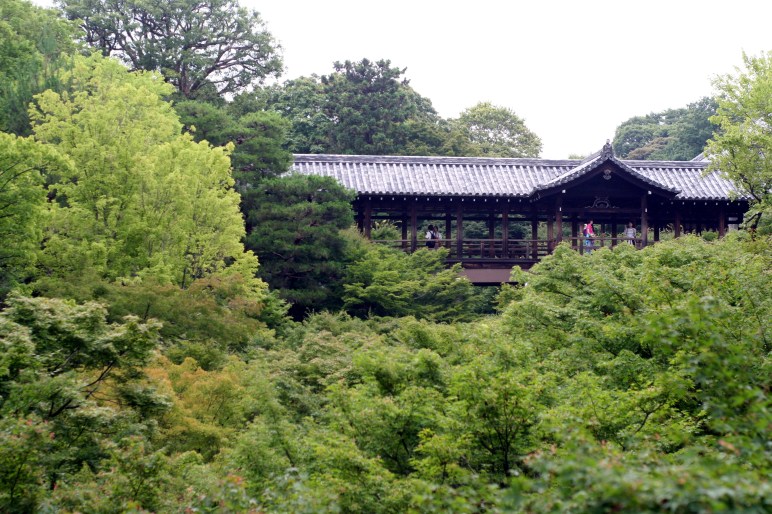
After walking for an hour from our hostel, we came across our first sub-shrine for Tofukuji, of which there are at least seven, all of which are of a respectable size. The temple is massive in scale.. so big I wasn’t able to capture a photo that represented its size well. I’ve found that photography doesn’t capture a lot of Japan very well. Due to scale issues or the ever present humidity I’ve found it to be an uphill battle. Not to mention there are many things I simply don’t take photos of (or I’m not allowed to) which really fill in the details.


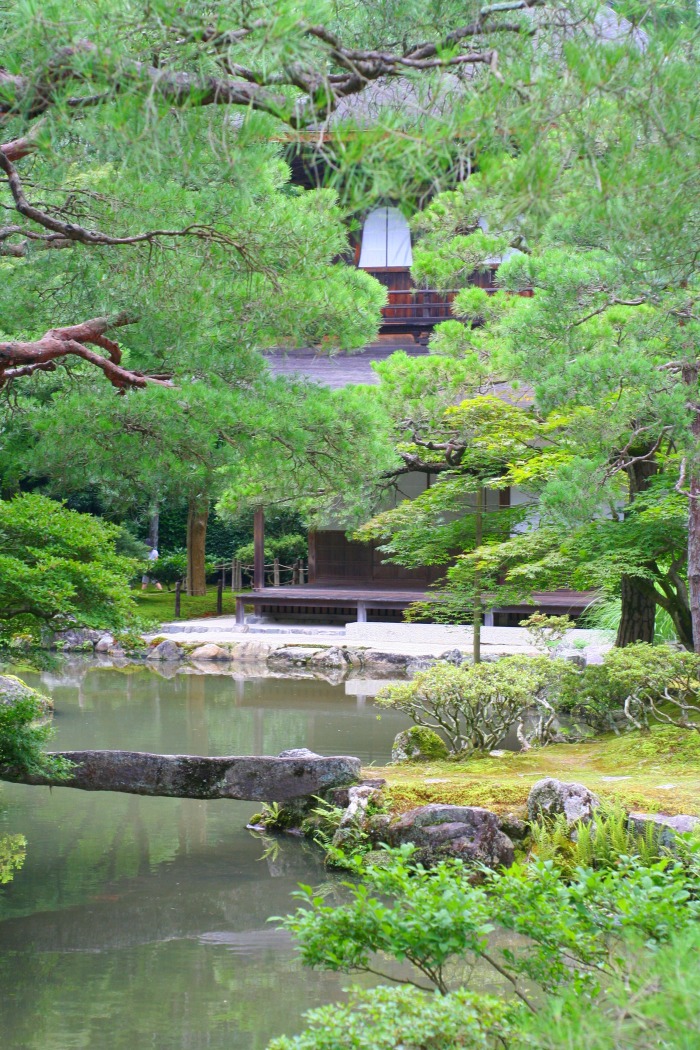
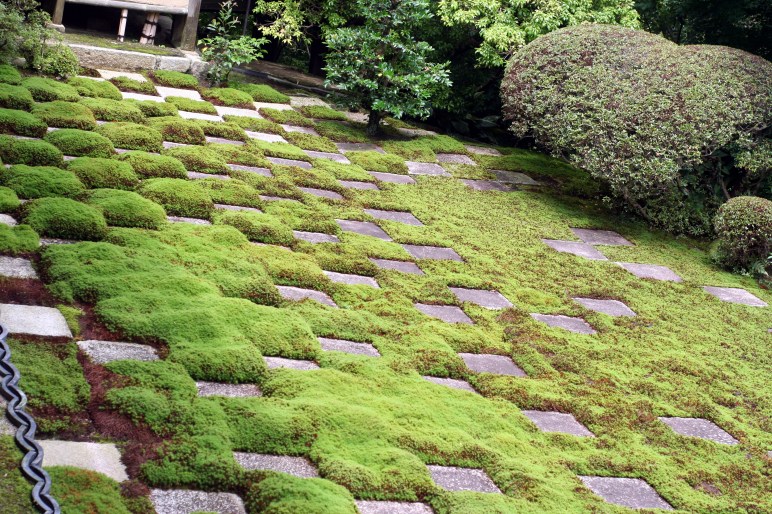
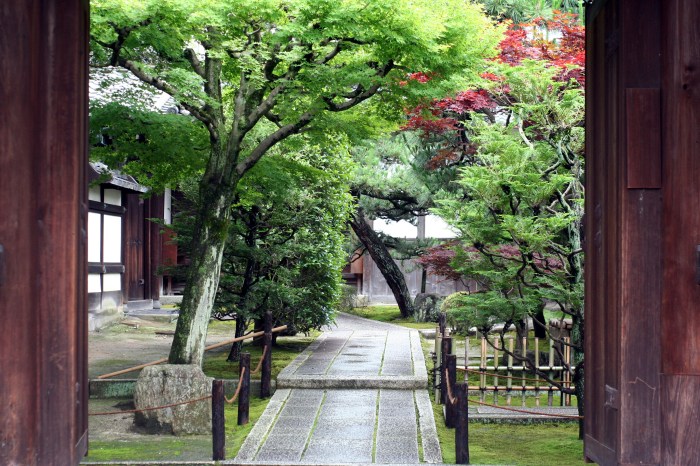
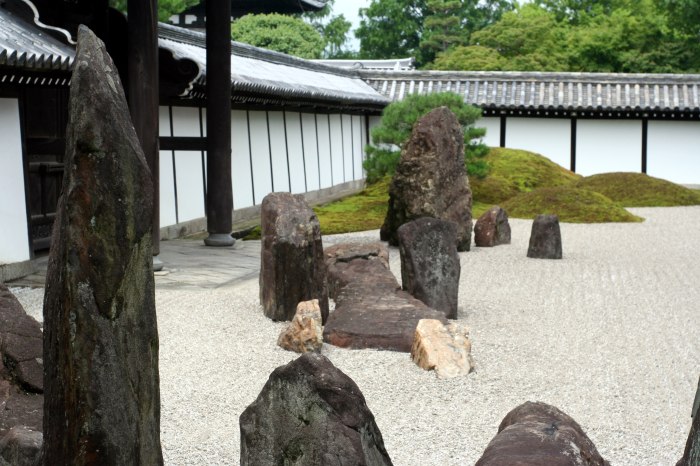
In any case, the temple had a secluded feeling due to it being surrounded by all of its sub-temples, and old growth bamboo. There were displays of carefully tended nature throughout the grounds, with grass or sand or stone very carefully encouraged one place or another. It was subtle and peaceful. Unfortunately most of the buildings themselves are closed to the public, but the temple is a must see in Kyoto.

tofukuji4


The Thousand Year Capital Kyoto

Kyoto is a fine tourist city. Though quite massive in scale it evokes feelings of Aspen in the general vibe of its streets. The city is quite a bit more than a great place for Japanese and foreign visitors to enjoy what was the capital of Japan for a thousand years. Kyoto has a large tech industry in place (Nintendo’s headquarters are here for example) and has several well establishes sake companies that are definitely worth checking out. That being said, tourism is a vital part of the economy here. Hordes of tourists, travelers and schoolchildren come to Kyoto to see the beautiful array of temples, castles and culture that permeate the city.


After arriving by shinkansen, Heather and I stayed at a fine, clean hostel not far south of the main train station. I would really recommend traveling by shinkansen to anyone who visits Japan. Though strangely more expensive than flying (marginally), you have more leg room and comfort and after factoring in skipping security, etc. the high speed trains are just as fast (and more convenient) than flying. The greatest part of traveling by high speed rail has to be the views and the sense of actual distance traveled though. You really get a sense of the scale of the miles traveled when you’re racing along the ground at 200 miles per hour in a way you just don’t get when you’re flying.


Two nights and two days in Kyoto is not nearly enough to see the city. There are simply too many places to visit and the city is too large to see everything. Not to mention the traffic is rather painful. We purchased bus passes for the city which take you to the majority of major tourist spots, but the buses were rather infrequent and took ages to get from one location to another. I would recommend buying a public transit pass (2000 en for two days) or renting a vehicle (car, motorcycle, bike) if you’re planning a visit. The bus pass alone is a great way to save money if time is not an issue though, as you really can see almost anything with it, and it is very cheap at 500 en.


This was the first trip in Japan Heather and I took, and to be honest, it was much needed. It seemed a very rough juxtaposition of worlds when she first arrived; it really didn’t feel like Heather and my life in Japan could coalesce. Going somewhere new definitely made that make more sense. It was a great trip though; I’ll go into detail about each temple and location we visited in Kyoto in later posts, so this doesn’t become a bloated mess. Kyoto is a beautiful place though, and the type of place where you can truly relax as you explore architecture and design of a time long past, even if you are sprinting from temple to castle to shrine.

Ushioda Festival

Full gallery here:

Usioda Festival


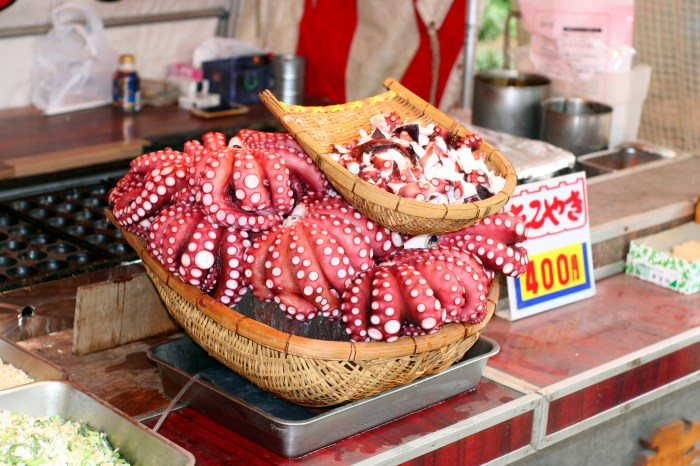
Just a few short miles from my house lies a small shrine by the name of Usioda, and they know how to throw a festival! There were dozens of food vendors selling everything from takoyaki to sour plum candy with everything in between. I had the delightful company of two wonderful Japanese tour guides who made sure that I did not go hungry. Ayane in particular was undefeatable in rock-paper-scissors, winning more than one free entrée.

octopus.JPG

Aside from the magnificent display of food, there were the traditional festival games of paper lottery, cork air guns, and ring tosses, as well as my personal favorite, scoop the turtle (see gallery). The only game where you get to keep the turtles you catch.

The dashi (float) procession was really something to see though. There were quite a few different dashi floating through the festival with some lively men and women hoisting them up and down. The main event is the cover photo for this page, where the omikoshi is hoisted up and down and spun around in front of the shrine. These dashi weigh a lot, so this is no minor feat. This is immediately proceeded by those carrying the float to charge down through a crowd onto the main roads carrying the float. It was an amazing experience.