The temple of Kannon, Ofuna


If while rolling down the JR line south from Yokohama you happen to past through Ofuna, make sure to look out the left window of the train and you’re sure to see the giant bust of Kannon sitting proudly atop a hill. I have seen the statue many times while making my way from Yokohama down to the wonderful town of Kamakura, but had never taken the time to see Kannon up close, even though the temple lies less than fifteen minutes from the station.

The top of Kannon’s head rises over sixty feet from the ground. Carved from two thousand tons of concrete and coated in a white, paint like coating (which turns out to be paint, go figure), this particular statue was built in part with stones from the blast zones of Hiroshima and Nagasaki. Kannon is a goddess of mercy, and represents mercy and peace worldwide throughout Asia. The statue was originally meant as a prayer for permanent world peace, but the construction of it was ironically halted by the advent of WWII. The statue was not completed in its present form until 1960, and has since been a popular destination, especially if you’re doing a Kamakura temple run.

As spring will quickly (finally) be upon us here in Kanagawa, flowers have just started to bloom, including the odd rogue cherry tree. At the base of the temple, one such tree was flowering brilliantly in soft pink. Kannon was quite beautiful in the clear day and wore a very peaceful expression. Inside the figure was an ornate shrine with some interesting instruments nearby with the largest wooden block I’ve ever seen. There were dozens of small wooden carvings within as well. The Temple hosts a festival in September prompting international residents and visitors to open stalls, with an array of vegetarian dishes from around the world and other cultural displays.


I just might come back then.
Taya Caves


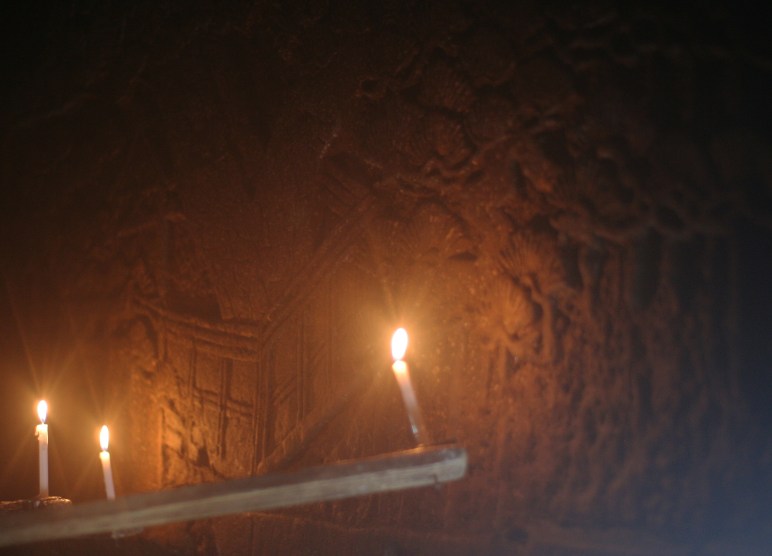
Carved by monks over a span of 500 years, the Taya caves are an overlooked but excellent excursion from almost anywhere in Kanagawa or Tokyo. They make for a great day trip regardless of weather. The shrine sits about thirty minutes by foot from Ofuna station. The caverns are all hand carved and not natural, but they are a lot more extensive that I imagined. We spent the better part of an hour and a half exploring the passageways, altars and carvings of this soft walled subterranean work of art and dedication.

You light candles as your light source and use these to bring the details of the artwork out of the walls. There are incandescent bulbs throughout the tunnels, so don’t worry if your candle goes out, there are several sources of flame throughout the caves at various alters as well. I would love to experience these caverns without the incandescent lights though. It would make for an incredible experience, and as the cave was started around 1200, a bit more authentic. Some of the higher carvings might warrant a flashlight to get a detailed look, by the way.


One of my favorite parts of the shrine is a small circular spot with a fountain flowing to the right of a small alter and carvings of turtles and birds that have held up phenomenally. It is amazing that these carvings have stayed intact throughout the years in the damp cave. I’m no geologist, but the walls seemed to me to be nothing more than clay and dirt.


There were several long tunnels that stretched far beyond the light of a candle. They were partially blocked, so not open to tourists however. I haven’t been able to find any additional information out about them, but will update here if I do.


One note: I learned after leaving that no photos are allowed in the cave. The carvings and tunnels are best enjoyed by candlelight and not through a lens in any case.